
Published May 18, 2026 · 6 min read · By Parker Plumbing Pros
Every winter we get the same call: a pipe that was fine yesterday is now split and leaking. The Front Range climate is uniquely tough on plumbing, and understanding why pipes freeze and burst here is the first step to keeping your Parker home out of that call queue.
The freeze-thaw cycle
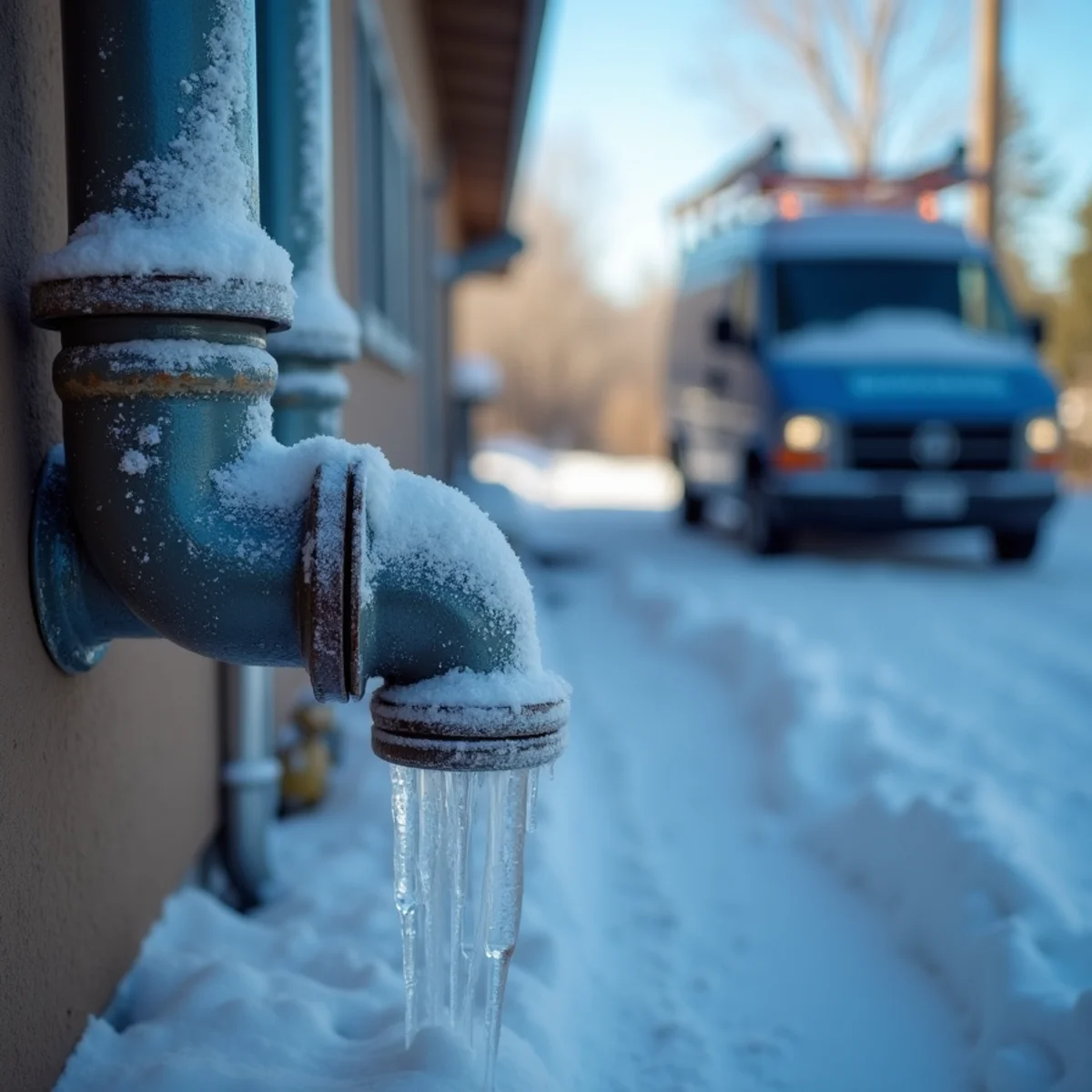
Parker sits high on the Front Range, where temperatures can swing dramatically between day and night. A pipe can freeze overnight and thaw by afternoon, over and over. When water freezes, it expands — and that expansion inside a closed pipe can split the pipe wall. The cheat of it is that the crack often stays sealed by ice until the pipe thaws, so the leak appears hours or days after the freeze.
Which pipes are at risk
- Exposed pipes in garages, crawlspaces, and along exterior walls.
- Outdoor faucets (hose bibs) and their supply lines.
- Poorly insulated lines in unheated or under-heated spaces.
- Vacation and seasonal homes left cold — a big issue in Larkspur and Monument.
The elevation factor
The higher you go, the harder the freeze. Homes in higher, colder pockets around Larkspur, Monument, and the Palmer Divide see more severe and sustained cold than lower parts of the metro. Seasonal and vacation homes in these areas are especially vulnerable because a home left unheated has nothing keeping its pipes above freezing.
How to protect your home before the cold
- Locate and label your main water shutoff so you can act fast if a pipe does burst.
- Disconnect and drain outdoor hoses and protect hose bibs before the first hard freeze.
- Insulate exposed pipes in garages, crawlspaces, and exterior walls; add heat cable where needed.
- Keep the home heated — and for vacation homes, don't let it drop near freezing.
- Record any prior freeze failures so vulnerable sections get protected first.
If a pipe freezes
If you lose water at a fixture during a cold snap, shut off the water supply when safe and keep the faucet open while you call. Never use an open flame to thaw a pipe — it's a fire risk and can damage the pipe. Controlled, professional thawing plus an inspection for freeze-caused splits is the safe path.
Don't wait for the burst
Freeze-proofing is dramatically cheaper than repairing a burst and the water damage it causes. A fall inspection of your exposed and vulnerable lines is one of the best-value calls you can make before winter.
Serving Parker, Larkspur, Monument, and the high Front Range, we thaw frozen pipes safely, repair splits, and freeze-proof the vulnerable runs so you're not making this call next January. Call us before the cold — or the moment a pipe freezes.
Which pipes freeze first — and the truth about the dripping-faucet trick
Not all pipes are equal in a cold snap. The ones that freeze first are the exposed and poorly insulated runs: lines in unheated garages and crawlspaces, pipes along exterior walls (especially north-facing ones), and outdoor hose bibs. If a pipe has frozen before, it will again in the same spot unless something changes — so those are the runs worth insulating or heat-taping now.
About the classic advice to leave a faucet dripping: it helps, but it's widely misunderstood. A slow drip relieves the pressure that actually bursts a pipe, and it keeps water moving in the most vulnerable line — but it's a stopgap for the coldest nights, not a substitute for insulation, sealing drafts near pipes, and keeping the house heated. If you're relying on a drip every winter, that line needs real protection.
Related plumbing services
Frequently asked questions
Ice expands and can crack the pipe wall, but the crack often stays sealed by the ice until it melts — then it leaks. That's why we inspect thawed lines for freeze damage before calling the job done.