
Published June 29, 2026 · 7 min read · By Parker Plumbing Pros
Rural plumbing plays by different rules. In Elbert County — around Elizabeth, Kiowa, and Elbert — homes run on private wells and septic systems, with long yard lines and outbuildings that a city home never has to think about. Here's what rural homeowners should know to keep their system healthy.
Understand your pressure tank
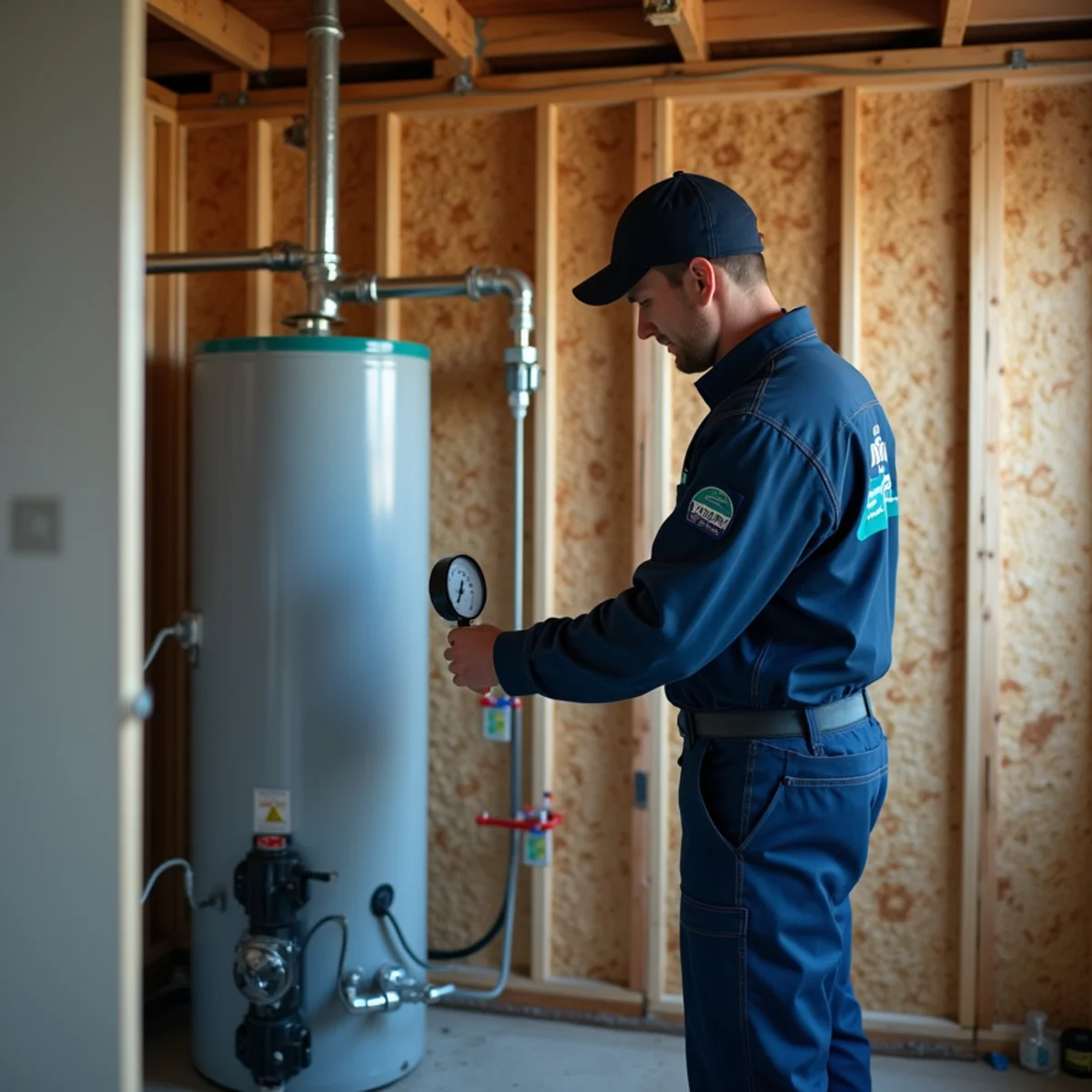
On a well system, a pressure tank stores water and maintains household pressure so your pump isn't running constantly. When a pressure tank starts failing, you'll notice the pump cycling on and off rapidly (short-cycling), fluctuating pressure, or water that surges and drops. Left alone, short-cycling wears out the pump prematurely — an expensive part. If your pressure feels off, get the tank checked before the pump pays the price.
Test your well water
Well water varies from property to property, and it's often hard and mineral-rich in this region. Testing tells you whether you need a softener for scale, filtration for sediment or specific concerns, or both. It's worth doing periodically, not just once — well conditions change over time.
Protect the long lines from freeze
Rural properties run long yard lines between the well, house, and outbuildings, and those exposed or shallow runs freeze first in an Elbert County winter — especially at higher elevations around Elbert at ~6,700 feet. Before the cold: insulate exposed lines, add heat cable where needed, and protect any barn, shop, or outbuilding plumbing that isn't heated.
Be gentle with your septic system
While a plumber handles your home's plumbing rather than the septic tank itself, what goes down your drains affects the septic system. Avoid pouring grease, harsh chemicals, and non-degradable items down the drain, and be mindful that a plumbing problem (like a running toilet) can overload a septic system with excess water. If drains back up across the whole house, the issue could be the line to the septic system, and that's worth a professional look.
Watch for these rural warning signs
- Pump short-cycling or pressure that surges and drops (pressure tank).
- Sediment or discoloration in the water (filtration or well issue).
- Slow or backing-up drains across the property (line to septic).
- No water at a fixture in cold weather (frozen line).
- Scale on fixtures and appliances (hard well water).
Plan maintenance around the seasons
The rural rhythm is predictable: check freeze protection in the fall, watch pressure-tank behavior year-round, and test water periodically. Catching a pressure-tank or line issue early is far cheaper than an emergency pump replacement in January.
Serving Elizabeth, Kiowa, and rural Elbert County, we service well pressure tanks, protect long yard lines from freeze, and test and treat well water. Call us for rural plumbing that understands how your system actually works.
How to read a short-cycling well pump before it fails
On a well system, the pressure tank is the part that fails quietly and takes the pump down with it. The warning sign is short-cycling: the pump kicks on and off rapidly instead of running in steady cycles, or your water pressure surges and drops at the tap. That usually means the tank has lost its air charge — the bladder has failed — and the pump is now cycling far more than it was designed to. Left alone, that rapid cycling wears out the pump, which is the expensive part to replace.
The honest tip for rural Elbert County homeowners: if your pressure feels off or you hear the pump cycling more than usual, get the tank checked before the pump pays for it. A pressure tank is a fraction of the cost of a well pump, and catching it early is the difference between a planned repair and an emergency with no water.
Related plumbing services
Frequently asked questions
Rapid cycling or constant running often points to a failing pressure tank, a stuck pressure switch, or a leak on the system. It wears out the pump quickly, so it's worth diagnosing promptly rather than waiting for the pump to fail.